

Window Repairs You Shouldn't Ignore
If your window isn't able to open and close easily, it could be a sign of a failing seal. Heat-induced expansions and contractions over time can cause damage to seals between double panes, allowing moisture, dirt and energy loss.
Wood rot is also a problem in window sills and frames. Epoxy wood filler is a great way to save money on expensive repairs.
Chips and cracks
A cracked window can be dangerous. It exposes the window to further water and breakage, which could lead to a problem with mold. If you want to ensure that your family is safe and your windows intact It is crucial to fix any chips or cracks immediately.
Pebbles, rocks, and even Dolichovespula Maculata seeds can break your windows. (No, that is not a plant. It's actually an insect.) But don't fret the cracks can be fixed.
This method is a good option to repair single-paned household glass, or even double-paned windows that have cracks on only one side. This method will not work for windshields due to the need for a specific tool that injects resin into the crack to create a vacuum.
Clean the area in which the crack will be repaired using glass cleaner. Utilize a pin or thumbtack to remove any glass fragments from the crack. You can also use rubbing alcohol or acetone to clean the surface and make sure that the repair material sticks to the surface properly.
Some methods claim that a fixed crack is nearly invisible. This is true for some kinds of repairs, but not for all, particularly small cracks. Repairing these cracks can stop them from becoming bigger problems, and may even stop the spread of these cracks.
If you want to have cracks that are completely invisible, then you need to find an option that makes use of super glue that is clear. This type of super glue does not expand as it dries, and won't cause more damage to the crack. Be sure to review the directions for your product prior to making an informed decision.
You can cover a crack with clear nail polish to offer a temporary solution. This can act as a sealer and slow down the progress of the crack. It is essential to keep the polish a little away from the crack edges to avoid damaging the integrity.
Sashes that won't move
Certain windows from the past are difficult for you to open because of swollen wood or rotten wood, or because the balance systems that are able to move up and down may be broken. The problem may be something simpler, such as dirt or other debris that has gummed up the mechanisms. It might just need to be cleaned or lubricated.
The first step is to remove the sash from its frame. This can be done using an putty knife and a bit of perseverance. Score the paint between the sashstop and the jamb first, then carefully pry the two apart. Put the pieces aside to ensure they do not get damaged.
After removing glass window repair 'll be able to access the pocket piece and front window stops. You can take them off using a utility blade and then lower the top sash to the sill. The bottom sash is just as difficult to move as the top sash however, it's also a bit more difficult. After you've lowered the sash to the lowest point you can use a flathead screwdriver to reset and lock the balance shoe (the small box at the bottom of your window) to be able to support the weight of the sash.
If your sash still doesn't stay up, you may need to replace the balance system or sash. It's generally much easier than you think to replace the balance system or sash, since replacement parts are available from many different suppliers and aren't expensive. After you've replaced your balance system, or sash you can move the sash around and test it to determine whether it's working properly.
Another issue that can cause windows to be difficult to open is that the sash tilt pin is missing or is damaged during cleaning. This is simple to fix if you're handy but it's best to only try this on older windows that are safe to take apart. If you're not handy, it's best to engage a professional with expertise with the type of window that you own.
Caps with drip Caps
If you're experiencing moisture infiltration around your window, it may be time to invest in an additional drip cap. The L-shaped flashing is positioned on the top of the window following installation but before siding. It helps direct water away from the frame. This easy project can keep moisture from causing damage and also save you money on maintenance costs.
The addition of an end dam to your window cap flashing may also stop water from entering at the end of the trim. Simply use a pair of Tin snips to make an elongated "flap" on both sides of the trim. This fold can stop rain from rolling off the ends of the flashing, and then down into the wood framing.
You can also purchase drip caps from MS Windows and Doors that already have been made with an end dam included for you. These drip caps are available in a variety of color options and can be added to your window when you order your window.
Install the head flashing under the sheathing, which is above the drip cap. This is the same flashing used under your j channel on the exterior trim. It's a good idea avoid tape covering all the length of the head flashing and only cover the corners.
The head flashing needs to be slit at a 45 on each corner to create an elongated flap, then it's folded back down and skipped taped again to the sheathing. This creates a small opening for any water that could get through the WRB and into the sheathing for the house above the window.
You can apply caulk to the top edge of your drip cap once you have secured it to the sheathing. This will stop moisture from penetrating the wood of the window sill, the housewrap and siding that is above the window. It is important to keep in mind that moisture can cause wood rot and other serious structural issues and it's always best to keep moisture out from the beginning.
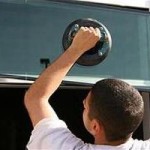
Sash Weights
Weights on a window (also known as sashweights or sashlines) aid in balancing the sashes, preventing them from moving when they are opened. Weights could need to be replaced or removed if they are tied. It is also possible that the counter balances will need to be replaced.
The first thing Pam does is examine the exterior of the window to make sure there isn't a lot of visible damage or rot that has to be addressed before she begins the work. If there are visible signs of damage, she will have to make the necessary repairs before attempting the restoration of the windows.
She begins by removing the sash stops on the interior and the stopping points for the parting on each side of the window. To do this, you will have to cut the paint line with an utility knife on both sides of the interior sash stop and then remove it with a wooden tool. Pam says this step is crucial because if you attempt to pound the stops away with a mallet, it could break or split them. She suggests a hand-held woodworking tool that has the narrow blade.
After the stops have been removed, she's able to remove the sashes. She removes the sash at the bottom, and then the top. Pam lubricates sash cords so that they can move easily. When the sashes are untied, she can take the sash cord off and find the metal hooks that connect to each sash weight. Most of the time, they're worn out and should be replaced. She then takes an old sashweight out of its pocket, and screws in a new one.
She checks the weights by weighing the sash using a scale to see how much it weighs. Then she replaces it with an alternative that is equal to the weight of the sash. The process is repeated for the second sash, to ensure it is properly balanced. When the sashes have been put returned to their original positions and she's used a level to check that they're level. She also makes sure that the cords are lubricated to let them move freely and then tightens the counter balance hooks.